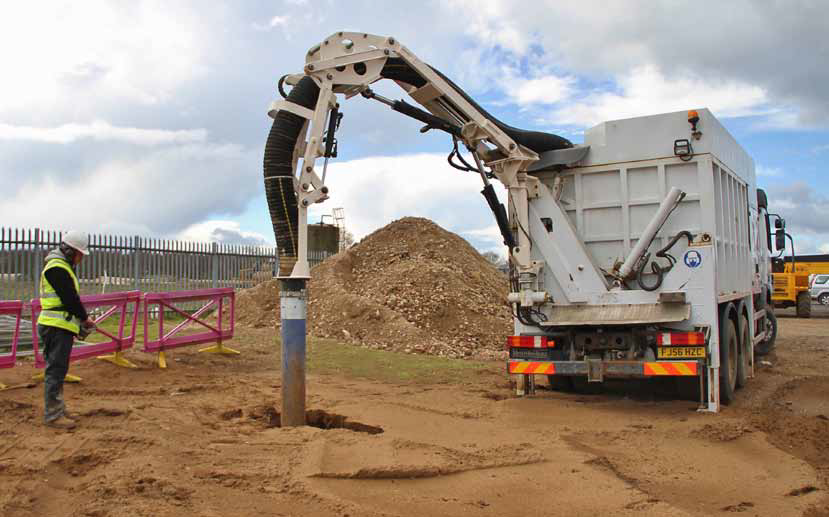
Here’s how the conversation usually goes: someone specs wet, someone else says dry, and the final call ends up being whatever truck the contractor already has. That’s not a method selection — that’s just inertia.
Both get the ground open without putting a bucket through a cable. That’s where the similarity ends. They’re not interchangeable, and treating them like they are costs you time, money, and a messier site than you needed.
Wet vs Dry Vacuum Excavation Selector
Explore both excavation methods and find out which approach may suit your project.
Step 1: Explore the excavation methods
Click either illustration to explore how each method works.
Step 2: Tell us about your project
Choose the options that best describe your excavation requirements.
Your Excavation Assessment
Need help planning your excavation project?
Discuss your ground conditions, site requirements and excavation options with an experienced contractor.
Discuss Your ProjectDisclaimer: This tool gives help only. It is not a replacement for checking the site in person finding utilities looking at risks or getting advice from experts who dig.
Quick Comparison
| Wet Vacuum Excavation | Dry Vacuum Excavation | |
|---|---|---|
| How it works | Pressurised water turns soil to slurry, vacuum sucks it out | High-pressure air loosens soil, vacuum pulls it out dry |
| Best soil type | Heavy clay, compacted ground | Sandy, loose, or previously disturbed ground |
| Speed in hard ground | Faster | Slower |
| Site mess | Slurry everywhere — you’re managing it and disposing of it | Dust, but no liquid waste |
| Backfill | Wet spoil — usually can’t go back in the hole | Dry spoil often goes straight back in |
| Environmental footprint | Water in, slurry out — both need managing | Lower — no water on site |
| Slip/fall risk | Higher — wet ground around an open hole | Lower, but dust is its own problem |
| Cost factors | Lower hire rate, but water cartage and disposal add up fast | Higher equipment cost, simpler disposal |
The Actual Difference
Wet excavation pumps pressurised water into the ground, turns the soil into slurry, and vacuums it into a tank. Dry excavation does the same thing with air. No water, no slurry, just loosened soil getting sucked out.
That’s the whole thing. One uses water, one uses air. Everything else — speed, mess, cost, environmental impact — comes from that.
Which Is Faster?
Wet. In hard ground, it’s not particularly close.
If you’re cutting through heavy clay or fill that’s been packed down for twenty years, water breaks it apart in a way air simply can’t match. By the time the vacuum kicks in, the hard work is already done.
Dry holds its own in sandy or loose material where air has something to work with. Put it in dense clay and it slows down — not because the equipment’s failing, but because air doesn’t cut hard ground the way pressurised water does.
Which Is Safer on Site?
Different risks. Neither gets a clean win.
Wet excavation means slurry, and slurry means wet, slippery ground around an open hole. Doesn’t matter how tidy the crew is — it’s going to be underfoot. Add live electrical services nearby and the water starts requiring a bit more thought.
Dry excavation skips the slurry but kicks up dust, particularly in sandy or dry conditions. That’s a respiratory issue if it’s not managed, and in some environments you’ll be adding dust suppression on top of everything else just to stay compliant.
Check your state’s current SafeWork and excavation requirements. Regs vary, they get updated, and “that’s how we’ve always done it” is not a defence.
Which Is Better for the Environment?
Dry, and it’s not really a debate.
No water going in means no slurry coming out. Dry spoil can usually go straight back in the hole as backfill. Less to dispose of, less to cart away.
Wet excavation uses water — sometimes a lot of it — and what comes out needs proper disposal. The rules around slurry disposal vary depending on your location and what’s actually in the ground. Find that out before you’re standing next to a full vacuum truck with nowhere to legally offload it.
Which Handles Soil Types Better?
Wet handles the hard stuff. Clay, compacted fill, ground that’s sat undisturbed for years — water does the breaking up that air can’t.
Dry handles the easier stuff. Sandy soil, loose fill, previously disturbed ground — there’s less to break apart before it can be vacuumed.
Most real sites aren’t one or the other. You’ll often hit both on the same job. Experienced crews know this and don’t get religious about one method — they use what the ground calls for.
Which Costs Less?
That depends on the actual job, not a general comparison.
Wet hire rates can look cheaper on paper. Then you add water cartage to site and slurry disposal on the back end, and that gap closes quickly. Dry equipment might cost more to hire, but if the spoil goes back in the hole, you’re saving on disposal and potentially on imported fill.
Get quotes for your specific job. Rule-of-thumb cost comparisons don’t survive contact with real sites, regional pricing, and actual disposal logistics.
FAQs
Can you use both methods on the same job?
Yes. If soil conditions change across the site — which they usually do — there’s no reason to lock in one method and fight the ground. Use what works at each point.
Does dry excavation create a dust problem?
It can. Sandy or dry conditions plus high-pressure air equals dust. Manage it as part of your site safety plan, not as an afterthought when someone’s already complaining.
What happens to the slurry from wet excavation?
It goes into the vacuum truck’s holding tank and needs proper disposal. Where it goes depends on local regulations and what’s in the soil. Don’t assume it’s a straightforward tip run until you’ve actually confirmed it.
Which method is safer around underground services?
Both are non-destructive by design. Neither should be striking services the way a machine bucket does. The method choice is about ground conditions — not proximity to assets. That said, any excavation near underground services needs proper planning, locating, and physical verification before you start, full stop.
Is dry always more expensive than wet?
Not necessarily. The hire rate might be higher, but if you’re saving on disposal and not carting water to site, it can even out. Run the actual numbers on your job before assuming.
Which Should You Use?
Hard, clay-heavy, compacted ground — wet is usually faster and less of a fight. Softer or sandier conditions, or jobs where slurry disposal is going to be a logistical pain — dry makes more sense. Variable ground — don’t commit to one until you know what you’re dealing with.
Match the method to the ground. Not the other way around.