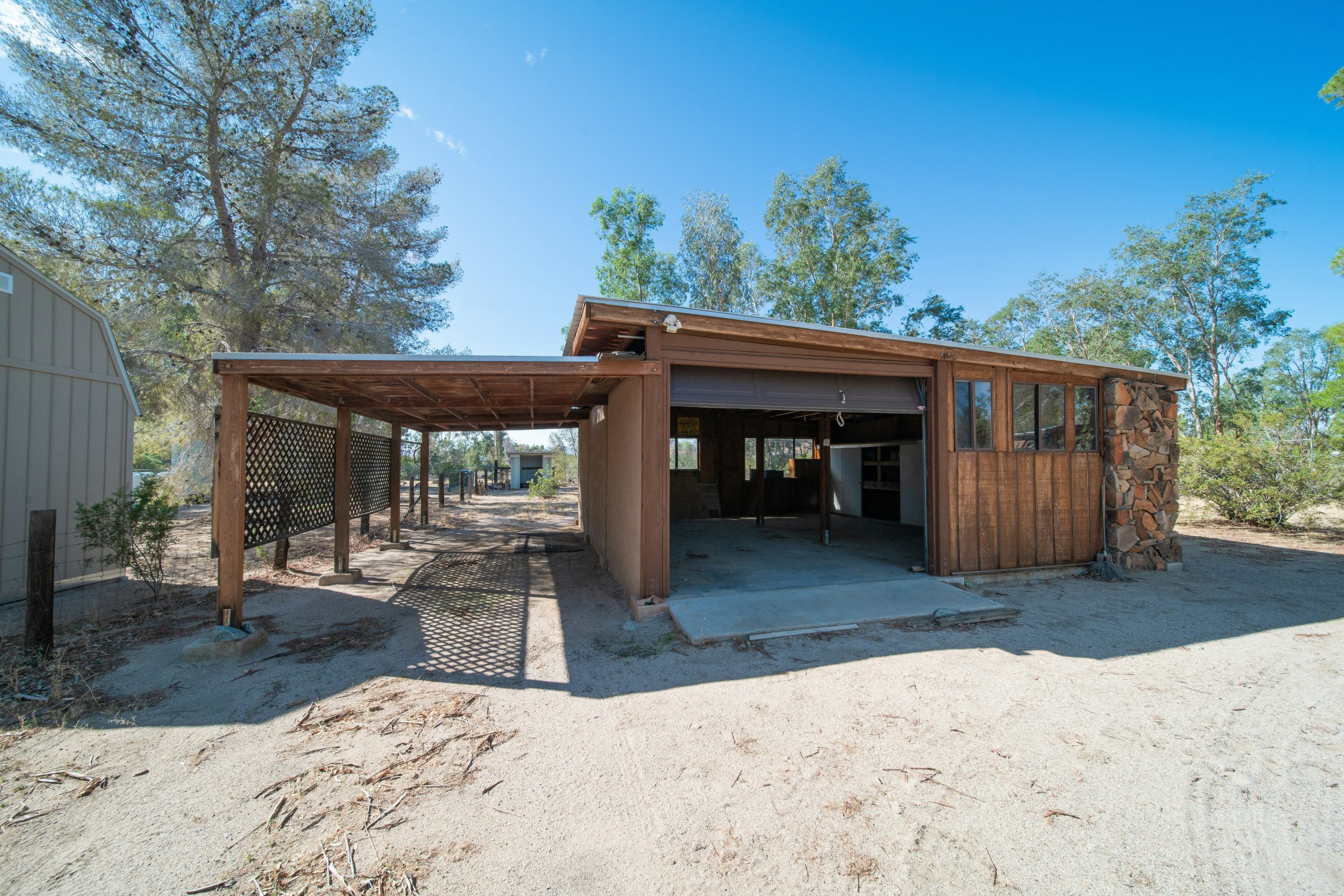
Look, I’ll be straight with you. Brisbane is not kind to dodgy construction. We get hammered by summer storms that roll in fast, UV that’ll bleach and blister anything not built for it, and humidity that finds every weakness in a structure and slowly destroys it. If someone’s built you a carport that wasn’t designed for this climate specifically, you’ll know about it inside a couple of years.
I’ve seen carports with posts that weren’t set deep enough — Brisbane’s clay soils shift, and shallow footings move with them. I’ve seen flat roofs that pool water every wet season because whoever designed them never thought about drainage. I’ve seen Colorbond screwed down with the wrong fixings that rust out and let the sheets lift in a good southeasterly. None of it’s complicated stuff — it’s just what happens when a builder doesn’t know Brisbane, or doesn’t care.
This isn’t a checklist article telling you to “look for experience and good communication.” That’s filler. Here’s what actually matters when you’re hiring a carport builder up here.
What Style of Carport Actually Suits a Brisbane Block
Most Brisbane blocks aren’t huge, so the style you choose matters more than people think. A single carport tucked down the side of the house is fine for one car, but you want to make sure it’s wide enough — 3 metres is the bare minimum, and 3.6 is more liveable once you’re opening doors and grabbing stuff from the boot.
Double carports are more common now that households often have two cars. If you’re going double, think about whether you want them side-by-side or tandem. Side-by-side is more practical. Tandem works on a narrow block but the person parked at the back gets annoyed quickly.
Attached carports — built off the side of the house — look tidy and share a roofline, but they need to be waterproofed where they meet the house wall. That junction is where most leaks happen when the job is done half-arsed.
Freestanding carports give you flexibility in placement and are worth considering if you’re sheltering a boat or caravan, or if your house layout makes an attached structure awkward.
Size and Pitch — Get It Wrong and You’ll Regret It
The two things people underestimate most: size and roof pitch.
On size — measure your actual car, then add at least a metre either side and a metre at the back. You need room to open doors, carry shopping in from the rain, and not clip your mirrors on the posts every second day. If you’ve got a ute or an SUV, you need more height clearance than the basic kits allow.
On pitch — a flatter roof looks more modern but Brisbane’s wet season will expose any drainage problem fast. Water that sits on a roof eats fasteners, works under laps, and eventually gets inside. A pitch of at least 5 degrees is sensible. More is fine. Less and you’re gambling.
Prevailing winds here come from the southeast, so if you’re building an open carport, think about which side the rain drives in from. A carport that’s open to the southeast is going to get wet inside during most storms regardless of how big the roof is.
What to Actually Look for in a Builder
They need a QBCC licence. Full stop. You can check it on the QBCC website yourself — takes about 30 seconds. If they can’t give you their licence number upfront, don’t bother.
Public liability insurance. Ask for the certificate, not just their word. If something goes wrong on your property during the build — and things do go wrong — you’re exposed if they’re not covered.
Council approval. Most carports in Brisbane need building approval, and some need development approval depending on size, height, and where they sit relative to your boundaries. The regulations differ across Brisbane City Council zones, and some flood-affected or bushfire-prone areas have additional requirements. A builder who tells you approval isn’t needed without actually checking your specific property is either lazy or uninformed — neither is good.
References from actual Brisbane jobs. Not a photo gallery. Real addresses or real people you can contact. Building in Brisbane specifically matters — footing requirements in clay soils, bracing for local wind loads, and cyclonic ratings in higher-risk areas are not the same as building in Melbourne or regional Queensland.
Steel or Timber — What Holds Up Here
Steel — specifically Colorbond — is what most Brisbane carports are built from, and for good reason. It doesn’t warp in the heat, it doesn’t attract termites, and it handles humidity without rotting. If you’re in a coastal or coastal-adjacent area, go for a grade rated for marine environments. Standard Colorbond is fine for most suburban Brisbane locations but coastal zones are more aggressive.
Timber carports look great — there’s no arguing that. They suit Queenslander homes and older character properties particularly well. But timber in Brisbane’s climate requires consistent maintenance. If you’re not willing to retreat and repaint every few years and get annual termite inspections, timber will give you grief eventually. It’s not a set-and-forget material up here.
For most people, steel is the smarter long-term call.
What a Good Quote Looks Like
A straight shooter will give you an itemised quote — materials listed, labour broken down, council fees included or clearly flagged as separate, and a timeline. What you don’t want is a round number with nothing behind it. That’s how “unexpected extras” appear mid-build.
Get at least three quotes. Not to pick the cheapest — to understand the actual range for your job. If one quote is $4,000 less than the others and covers the same scope, something is being left out or cut. Work out what, before you sign anything.
Watch for quotes that exclude council fees, site prep, or don’t mention engineering if the structure is large enough to require it. These are real costs that will land on you one way or another.
What You’ll Pay
A basic single carport in Brisbane — Colorbond, standard design, flat or low-pitched — will typically sit somewhere between $3,000 and $6,000 installed. Add council fees on top of that.
A double carport with better materials and a custom pitch runs $8,000 to $15,000 or more depending on complexity and site conditions. Sloped blocks cost more. Sites that need significant prep cost more. That’s just how it is.
The cheapest carport you can buy will cost you more over ten years than a mid-range one built properly the first time. That’s not theory — it’s what happens when you need to repaint early, replace rust-damaged sections, or deal with structural issues after a storm.
A Few Questions Worth Asking Before You Commit
- Can you show me a carport you’ve built in Brisbane in the last 12 months — an address or reference I can contact?
- Will you manage the council approval, or is that on me?
- What warranty covers the structure and the workmanship, and what does it actually include?
- What fixings are you using — are they galvanised, and are they rated for the wind region?
- What happens if the build runs over schedule or there are issues after handover?
A builder who’s done this properly has quick, confident answers to all of these. Vagueness on any of them is worth paying attention to.
The Short Version
Brisbane’s weather is not forgiving of cheap construction. A carport built with the wrong materials, inadequate footings, or no consideration for drainage or wind exposure will show problems inside a few years. The job isn’t complicated — but it needs to be done right.
Hire someone with a current QBCC licence, real insurance, and genuine experience building in Brisbane specifically. Get a detailed quote. Confirm council requirements before work starts. And don’t let price be the only thing you’re comparing.
Done right, a carport adds real value to your property and keeps doing its job for decades without drama. That’s worth paying for.
FAQs
How much does a carport cost in Brisbane?
Roughly $3,000–$6,000 for a basic single carport. Double carports or anything with custom design or difficult site access will cost considerably more. Always get a few quotes and compare scope, not just the bottom line.
Do I need council approval for a carport in Brisbane?
Most carports do need approval — either building approval or in some cases development approval. It depends on size, height, and position on your block. A good builder will tell you exactly what’s needed for your site. Don’t skip this.
Is Colorbond the best material for a Brisbane carport?
For most homes, yes. It handles heat, humidity, and termites better than timber and requires very little upkeep. Timber is an option for character properties but needs consistent maintenance to hold up in this climate.
How long does a carport build take?
Once approvals are sorted, the physical build on a standard carport is usually done in a day or two. Council approval is the slow bit — allow several weeks for that.
What warranty should I expect?
A solid builder will warranty both materials and workmanship. Get the terms in writing, not just a verbal assurance, and check what’s actually covered before you sign.
I know I made your decision-making easy. Thank me later 🙂