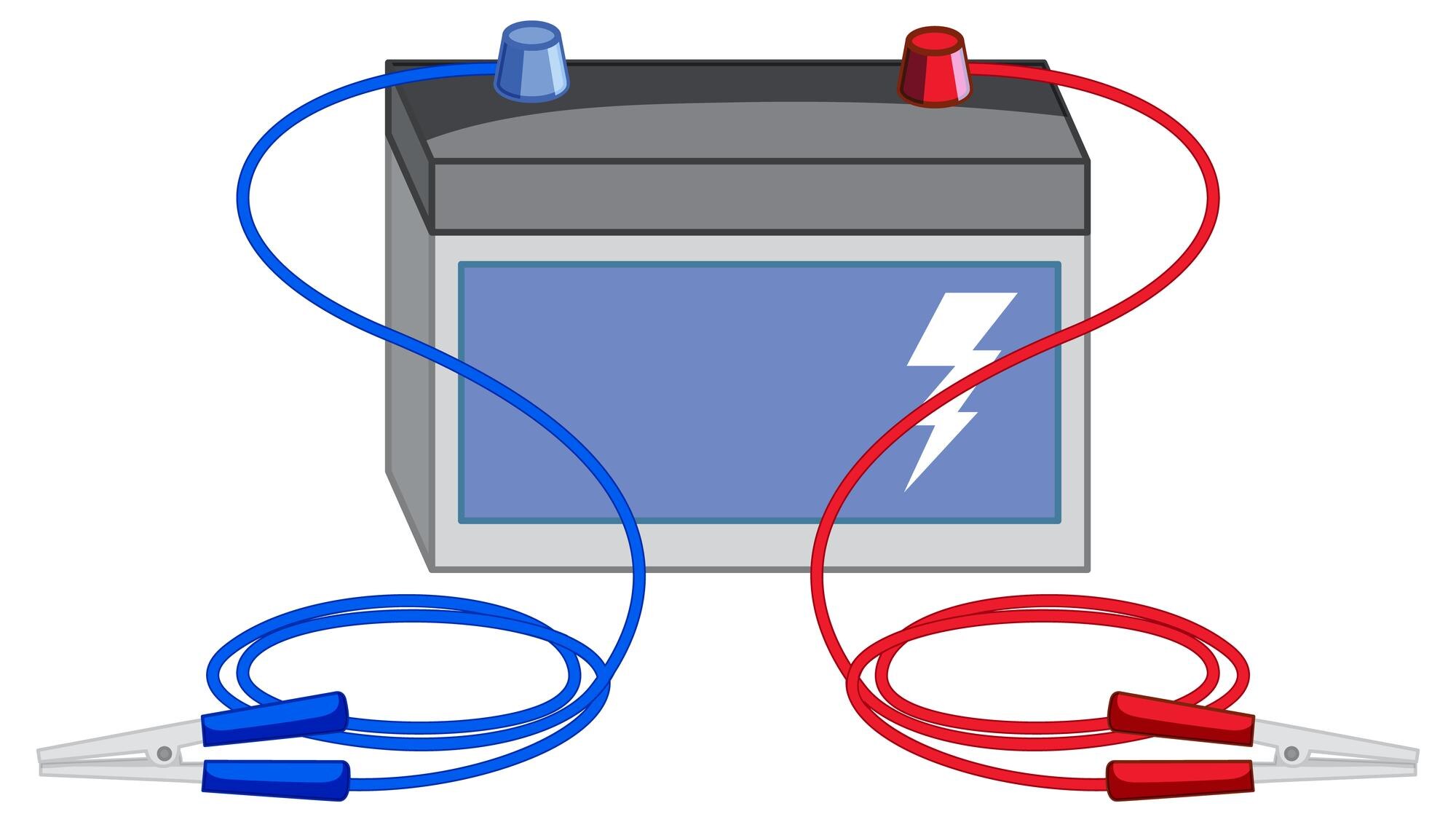
Choosing the right battery for your boat is crucial. It ensures reliable power for all your marine adventures. With various marine battery types available, making the right choice can be daunting.
Each type of battery offers unique features and benefits. From lead-acid to lithium-ion, understanding these differences is key. This knowledge helps in selecting the best option for your needs.
Marine batteries power everything from navigation systems to onboard appliances. They are essential for a smooth and safe boating experience. The right battery can enhance performance and extend your time on the water.
In this guide, we will explore the main types of marine batteries. We will also discuss their features, benefits, and ideal applications. This information will help you make an informed decision.
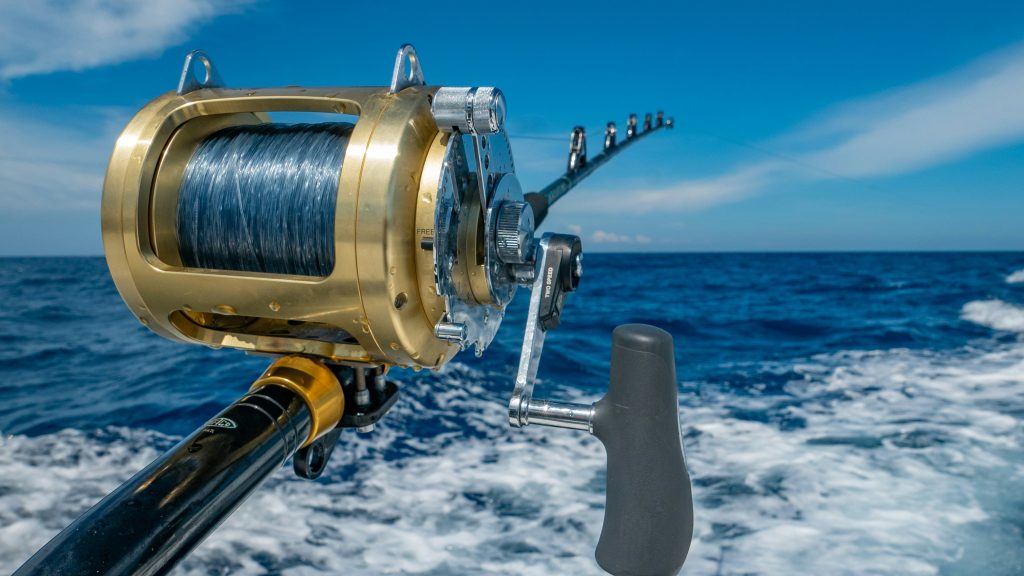
Whether you’re a seasoned sailor or a boating enthusiast, understanding marine energy solutions is vital. It ensures you choose a battery that meets your specific requirements. Let’s dive into the world of marine batteries and find the best fit for your boat.
Understanding Marine Battery Types
Marine batteries come in several varieties, each designed for different functions. These batteries are essential for powering boats and their electrical systems. Understanding the differences is crucial for selecting the right option.
There are four main types of marine batteries commonly used. These include lead-acid, AGM (Absorbent Glass Mat), gel, and lithium-ion. Each has distinct advantages and potential drawbacks.
- Lead-Acid Batteries: Traditional and cost-effective
- AGM Batteries: Spill-proof and low maintenance
- Gel Batteries: Vibration-resistant with gel electrolytes
- Lithium-Ion Batteries: Lightweight, long-lasting, and quick charging
Choosing the right battery type depends on several factors. Consider the boat’s energy needs, battery weight, and environment. Some batteries perform better in specific conditions or for particular applications.
By exploring these options, boaters can find solutions tailored to their needs. This choice impacts not only performance but also safety on the water. Understanding marine battery types is the first step towards more efficient energy management onboard.
Main Types of Marine Batteries Explained
Choosing the right marine battery type depends heavily on the specific applications you need. Understanding the core types helps align these needs with the right technology. Here, we explain the main types of batteries used in marine environments.
Lead-acid batteries are among the most traditional options available. Their affordability is a major draw for many boat owners. However, they require regular maintenance and can be heavy.
AGM batteries present a modern twist on the lead-acid design. They are spill-proof, making them a safer choice for many boats. These batteries also require less maintenance than traditional lead-acid ones.
Gel batteries are another variation of the lead-acid category. The key difference is the use of a gel instead of liquid electrolytes. This makes gel batteries highly resistant to vibrations, ideal for boats.
Lithium-ion batteries represent the cutting edge of technology in marine energy solutions. They are lightweight and boast a long lifespan, although they are pricier upfront. Their quick charging capability makes them a popular choice.
When evaluating these options, it’s essential to consider specific features:
- Maintenance Requirements: Lead-acid requires frequent attention; AGM and gel are less demanding
- Weight: Lithium-ion is lightest; lead-acid often heaviest
- Cost: Lead-acid is most affordable; lithium-ion requires a bigger initial investment
- Durability and Safety: AGM and gel offer spill-proof security; all types have varying temperature resistance
These factors and others like environmental conditions determine the best fit for your boat. Each battery type has its place, supporting various needs and preferences. Understanding these nuances aids in making a more informed choice.
Lead-Acid Batteries
Lead-acid batteries hold a longstanding reputation for affordability and reliability. Known for their availability, they are an easy entry point for those new to boating.
These batteries require regular maintenance, such as checking electrolyte levels. While this is a disadvantage for some, the cost efficiency often outweighs the effort needed.
Despite being heavier, lead-acid batteries offer solid performance. Suitable for many standard marine needs, they fit a range of budgets.
AGM (Absorbent Glass Mat) Batteries
AGM batteries are spill-proof, thanks to their design using absorbent glass mats. This increases safety and reduces maintenance efforts needed, a major plus for many users.
These batteries are more efficient and can discharge at a slower rate. This makes them a reliable choice for consistent energy needs, especially in harsh marine conditions.
The durability of AGM batteries is impressive, proving effective in both cold and warm temperatures. This flexibility makes them a versatile option for diverse boating environments.
Gel Batteries
Gel batteries make use of a thickened electrolyte in the form of a gel. This design resists vibration and impact, offering reliability in rough waters.
These batteries require minimal maintenance due to their sealed structure. While they can cost more upfront, their durability can lead to savings over time.
Lithium-Ion Batteries
Lithium-ion batteries are celebrated for their lightweight and compact nature. They occupy less space while providing substantial power, an advantage in small boats.
They feature rapid charging times and a long lifespan. Though initially costly, they afford long-term savings due to their efficiency and reduced upkeep needs.
Despite their advantages, they are susceptible to temperature extremes. However, ongoing advancements in technology continually enhance their resilience and safety features.
Deep Cycle vs. Starting vs. Dual-Purpose Batteries
Understanding the functional differences among marine battery types is essential for selecting the right one. Deep cycle, starting, and dual-purpose batteries each serve distinct roles on a boat.
Deep cycle batteries are engineered for endurance. They supply a consistent power flow over long periods. This makes them ideal for running onboard electronics, lighting, and other accessories.
Starting batteries, on the other hand, deliver a quick surge of energy. This burst is crucial for powering up a boat’s engine and getting it running promptly.
Dual-purpose batteries aim to combine the benefits of both deep cycle and starting batteries. While they don’t excel in either task, their versatility is helpful when space is limited.
For boat owners, the decision often boils down to specific needs:
- Deep Cycle: Long-lasting power for accessories
- Starting: Quick power surge for engines
- Dual-Purpose: Versatile, space-saving option
Choosing the right battery supports efficient energy use, balancing performance with practicality. This choice maximizes boat functionality and enhances the overall marine experience.
Key Factors to Consider When Choosing a Marine Battery
Selecting a marine battery involves several important considerations. Battery type, performance needs, and budget all play critical roles.
First, assess your boat’s power requirements. Understanding this will guide you in selecting a battery with suitable capacity. Match the amp-hours (Ah) to your energy needs for optimal performance.
Size and weight are crucial, too. Make sure the battery fits the designated space and is easy to manage. An overly heavy battery may impact boat speed and balance.
Consider the climate where you typically boat. AGM and gel batteries perform better in extreme temperatures than traditional lead-acid ones. This can influence your choice significantly.
Budget is another vital factor. While lithium-ion batteries are costly upfront, their longevity offers long-term savings. Compare this with the cheaper initial cost of lead-acid options.
Here are key factors to think about:
- Capacity (amp-hours)
- Size and weight
- Temperature resilience
- Budget and lifespan
Investing time in choosing the right battery ensures reliability and enhances the boating experience.
Marine Battery Maintenance and Lifespan
Proper maintenance is key to extending a marine battery’s lifespan. Routine checks can prevent potential failures while on the water.
Start by regularly inspecting the battery terminals and connections. Keeping them clean from corrosion aids efficient energy transfer. Always ensure the connections are tight to avoid power loss.
Storing the battery correctly is equally important. When not in use, keep your battery in a cool, dry place. This environment helps maintain performance and longevity.
Consider these maintenance tips:
- Inspect terminals for corrosion
- Keep connections tight and clean
- Store in a cool, dry location
By following simple maintenance steps, you can maximize both the lifespan and reliability of your marine battery.
Marine Energy Solutions: Matching Battery Types to Your Needs
Selecting the right marine battery requires understanding your energy needs. Each battery type offers unique benefits for specific purposes.
Consider the frequency and type of boating activities you engage in. For extended trips, lithium-ion batteries are ideal due to their long lifespan and efficiency.
Match your battery choice to the specific power demands on board. For example:
- Use AGM batteries for vibration resistance
- Consider lead-acid for cost-effectiveness
- Opt for lithium-ion for longevity and fast charging
By aligning battery features with your boating activities, you ensure optimal performance and energy efficiency.
Frequently Asked Questions About Marine Battery Types
What is the most common marine battery type?
Lead-acid batteries are the most common due to their affordability and effectiveness. They are an excellent choice for many boat owners.
How do I maintain my marine battery?
Regular checks and using a smart charger are essential for battery maintenance. Avoid overcharging to extend the battery’s lifespan.
What should I consider when choosing a battery?
Consider battery lifespan, weight, and capacity. Choose based on your boating needs and the type of marine adventures you plan.
Conclusion: Choosing the Best Marine Battery for Your Boat
Choosing the right marine battery is crucial for a smooth boating experience. Understanding different marine battery types helps make informed decisions that align with your boating needs. Consider the battery’s lifespan, energy capacity, and maintenance requirements.
Evaluate your boating activities and equipment to determine the battery type that suits your needs. Some batteries are better for high performance, while others are ideal for leisurely trips.
Investing in high-quality batteries can enhance your boating experience, offering reliability and safety. This ultimately leads to more enjoyable and efficient marine adventures.